Type details
| Country | Indonesia |
| Currency | IDR |
| Denomination | 1000 |
| Series | 2000 series |
| Series range | 2000–2009 |
| Issuer | Bank Indonesia |
| Issuer (native) | Bank Indonesia |
| Printer | Perum Peruri |
| Front portrait | Banda Neira warrior |
| Reverse subject | Traditional dance gathering |
| Themes | indigenous_culture,agriculture,dance |
| Watermark | Banda Neira warrior figure in clear field at left |
| Security features | thread,watermark,microprint,intaglio,see_through_register |
| Colour palette | #d4c896,#a8b89c,#8b7355 |
| Material | paper |
| Dimensions (mm) | 151x65 |
| Language / script | Latin, Arabic |
| Languages | id,ar |
| Pick # | 141 |
| Rarity | common |
| Legal status | withdrawn |
| Legal status date | 2008-12-31 |
| Era | 1990_present |
| Default value (low) | 1.0 |
| Default value (high) | 5.0 |
| Value currency | USD |
Front
Traditional Banda Neira warrior figure from the Maluku (Moluccas) Islands, wearing ceremonial dress and headdress with sword. The Banda Islands were the historic center of nutmeg cultivation and a focal point of colonial spice trade conflict. This design honors the indigenous culture of eastern Indonesia and the region's significance in Indonesian history, particularly its resistance to colonial powers.
Back
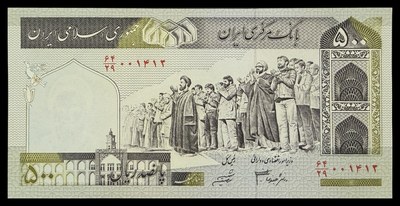
Traditional Indonesian communal gathering or prayer scene showing men, women and children of various ages assembled together, representing the multicultural and multi-generational unity of Indonesian society. The architectural elements suggest traditional Islamic and Indonesian building styles, reflecting the nation's dominant religion and diverse architectural heritage.
History
This 1000 Rupiah note belongs to the 2000 series of Indonesian banknotes issued by Bank Indonesia. The series was introduced in 2000 and remained in circulation until being replaced by the 2009 series. These notes were withdrawn from circulation on December 31, 2008, though they retained legal tender status until fully demonetized in 2013. The 2000 series featured Indonesian cultural themes rather than national heroes, a departure from earlier series, emphasizing the nation's ethnic and cultural diversity.
Linked specimens (1)
Merge into another type
Repoints every linked specimen above to the chosen target type, fills any target nulls from this type, then deletes this type. This cannot be undone.