Collection › Indonesia › #286
100 IDR
P-127h
Needs review
✦ AI 88%
The AI flagged these for your attention. Use ✦ Fact-check to cross-check factual fields against another model's world-knowledge, or 🔍 Re-look at image when you suspect the AI misread the pixels.
-
Some fields the AI was unsure about — please verify:
- Issue year: “1992” (0%)
- Front portrait: “—” (0%)
Click ✦ Ask AI to verify or fix any below. -
Overall AI confidence is 88% (auto-approve threshold is 92%).Skim the Identity tab; the dots next to each field show what the AI was unsure about.
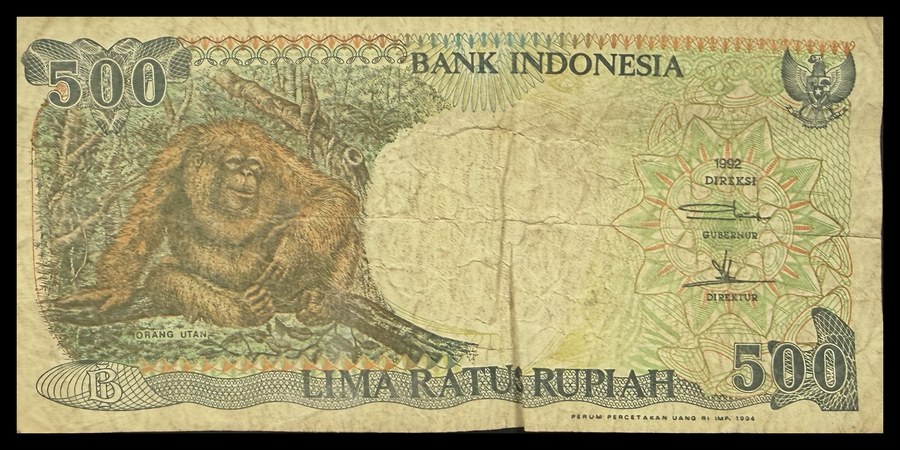
IMG_6622.jpeg
cropped

IMG_6623.jpeg
cropped
Where & when
What's on the note
Front: The Gelora Bung Karno Stadium (formerly Senayan Main Stadium) in Jakarta, Indonesia's largest multi-purpose stadium built in 1962 for the fourth Asian Games. Named after Sukarno, Indonesia's first president, the stadium is a symbol of Indonesian national pride and serves as the primary venue for major sporting and cultural events. The note features geometric architectural lines emphasizing the modernist design of the stadium's distinctive facade and roof structure.
Back: Traditional Dayak longhouse from East Kalimantan (Indonesian Borneo), representing the indigenous architecture of the Dayak peoples. These communal longhouses (rumah panjang) are elevated wooden structures that can house multiple families and serve as the center of Dayak community life. The depiction includes surrounding tropical vegetation and the characteristic steep-pitched roof typical of traditional Kalimantan architecture, symbolizing Indonesia's cultural diversity and respect for indigenous heritage.
How it was made
Security features: thread,microprint
Indonesia in Asia
Indonesia in Asia. Other countries on the same continent shown in muted grey.
Background & history
Part of the 1992 series of Indonesian rupiah banknotes issued by Bank Indonesia, which featured national landmarks and cultural heritage sites. This 100 rupiah note was part of a comprehensive redesign that emphasized Indonesia's architectural heritage and cultural diversity. The note remained in circulation until it was gradually withdrawn in the 2000s as inflation diminished its purchasing power, and was officially demonetized in 2008. The series represented Indonesia's post-Suharto transition period and nation-building efforts through cultural representation.
Collector references
How it came to me
Note shows significant circulation with visible creasing, soiling, and wear. Multiple horizontal and vertical folds present. Paper remains intact but shows age-related discoloration.
What it's worth now
Valuation history (1)
| date | low | high | currency | source | note |
|---|---|---|---|---|---|
| 2026-05-08 17:34:23 | 0.5 | 2.0 | USD | ai | from claude-sonnet-4-5 |
History & extractions
AI extractions (2)
Edits & decisions (0)
No edits yet.
Manual fixups
Find near-duplicates
Manual pairing override
Edit specimen #286
All fields below post to the same save endpoint. Sections collapse to focus on what you need.
Re-crop manually
Drag the four corners to mark the banknote in each image. Click Save crop to apply.